Showroom open today 9am-5pm, Get directions here
Call us Now on 01772 651615

An Ultimate Guide to Corian Worktops
- admin
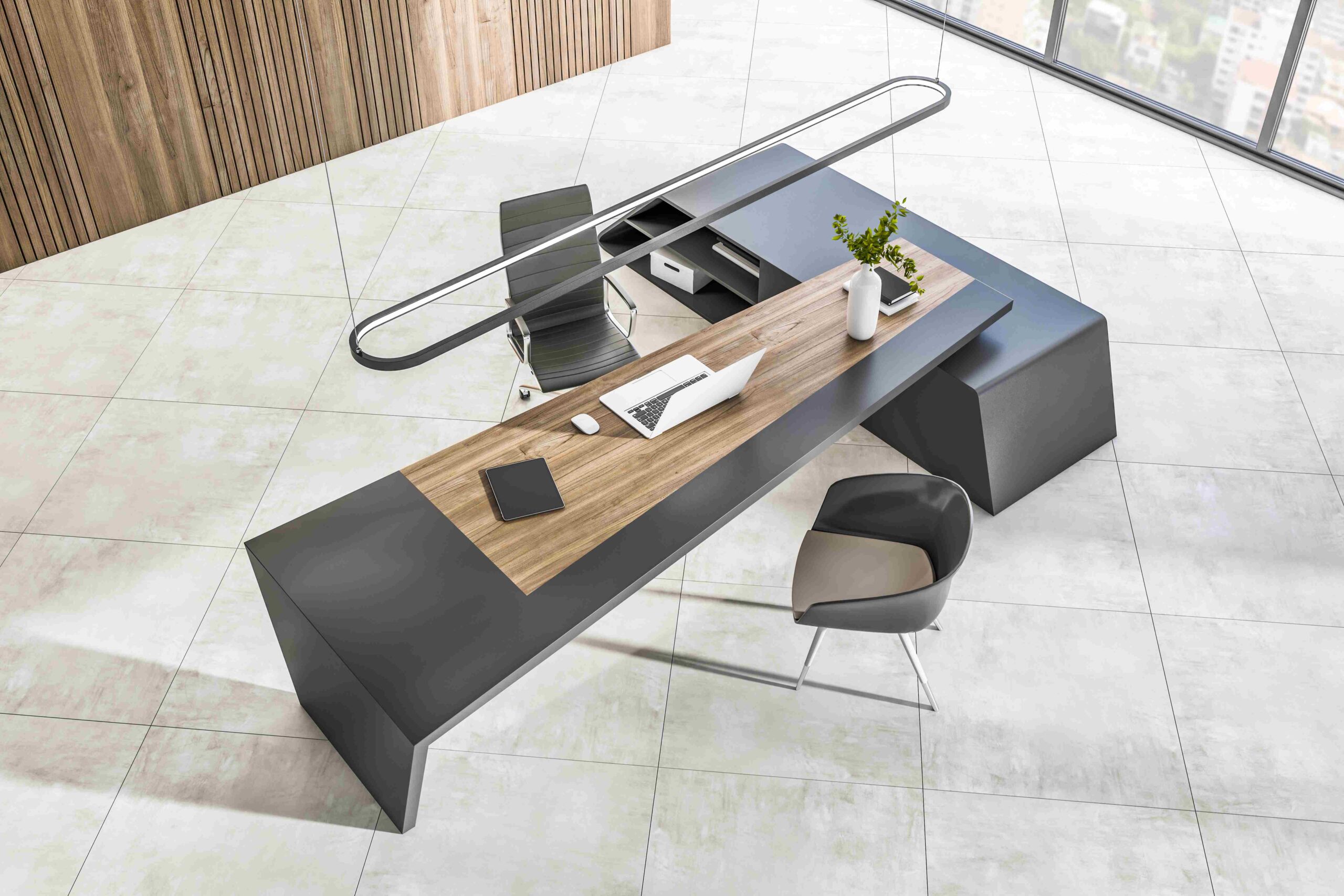
Corian is becoming a popular choice for homeowners and designers thanks to its durability, seamless finish, and exceptional ability to be shaped into almost any design. Its smooth finish, wide colour palette, and versatility make it a standout choice for bathrooms, kitchens, countertops, shower walls, and bespoke furniture designs.
This detailed guide provides an enhanced explanation of Corian worktops: how they are formed, available sheet materials, thicknesses, colour options, benefits, and scenarios where Corian may not be suitable. By understanding its capabilities and limitations, you can confidently choose the right Corian design for your home or commercial space.
What is Corian?
Corian is a smooth yet solid surface made from a combination of acrylic resin and aluminium trihydrate. This unique formulation yields a soft, strong, and highly versatile material that can be shaped, curved, and thermoformed to meet a wide range of design requirements.
Corian worktops are backed by up to a 10-year warranty, highlighting the manufacturer’s confidence in its durability and performance.
Is Corian Providing Just the Sheet Material?
Corian is not limited to flat sheet materials. One of its most impressive features is its thermoformability, which allows it to be moulded into two- and three-dimensional structures. While sheets are commonly used for countertops, wall cladding, shower panels, and flooring, Corian can also be shaped into integrated sinks, curved vanities, reception desks, furniture components, and custom decorative installations. This flexibility enables designers to create cohesive, seamless interiors where surfaces flow smoothly without visible joints or separations.
What is the Thickness of the Corian?
Corian worktops are available in several thicknesses, including 6mm, 12mm, and 19mm. Each thickness serves a specific purpose:
- 6mm is best suited for vertical applications such as walls and splashbacks.
- 12mm is the most popular choice for kitchen worktops, offering strength and versatility.
- 19mm is typically used in high-traffic commercial environments where enhanced durability is required.
Some homeowners may also opt for 9mm or reinforced 12mm sheets, depending on their structural requirements. Choosing the right thickness ensures both long-term performance and aesthetic appeal.
How Corian Worktops Are Made?
Corian worktops are designed so that the joint lines are not invisible. Let’s look at how Corian gives the seamless appearance:
- Made by joining the two pieces close together so the joint is nearly invisible.
- Next, apply the colour-matching adhesive to join both ends.
- The pieces are clamped together until the adhesive fully hardens.
- Polish the surface, and the final smooth level becomes the level.
Are Corian Worktops Available in Different Colours?
With over 100 colours, Corian’s worktops are available in a wide range, making them suitable for any interior style. Individuals can choose from the one-colour option, bright colours, or contrasts that align with the place’s aesthetic. The colour palette evolves regularly, introducing modern shades such as greens, yellows, blues, greys, beiges, naturals, and deep charcoal tones. Pricing may vary by colour series, with premium patterns typically falling into higher price bands.
Where is Corian Not Safe?
In some areas, it is recommended not to use Corian to avoid damage, such as the 6mm sheets, which are not preferred for worktops and countertops. Dive into the information on where it is not safe to use Corian:
- High-impact zones requiring heavy structural support.
- Commercial environments with machinery that generates extreme heat.
- Laboratories that use strong acids, chemical solvents, or abrasive materials.
- Outdoor areas exposed to direct sunlight, which may cause discolouration.
- Fireplace surroundings or areas close to open-flame sources.
- Placing hot utensils directly on Corian surfaces without proper heat protection.
What Are the Benefits of Corian?
Corian’s unique style makes it the top choice for buyers. Here are some of the major benefits discussed below:
- A non-porous surface that prevents staining and bacterial growth.
- High customisation potential, allowing Corian to be shaped into various forms.
- Simple cleaning and low maintenance requirements.
- Repairable surface, making it easy to refresh its appearance over time.
- Wide range of colours and finishes suiting any design style.
- Seamless joints that enhance the overall appearance of countertops and fixtures.
Why Corian Stands Out Among Other Solid Surfaces?
Corian stands out among other solid surfaces primarily for its seamless look, high design flexibility—especially its thermoforming ability—and a combination of hygienic features and on-site repair options that many other materials do not offer.
Key characteristics that make Corian a leading choice include:
Unique Design and Aesthetics
- Seamless Joints: Corian is joined with a colour-matched adhesive, making the seams nearly invisible for a smooth, continuous look that’s hard to achieve with natural stone or quartz.
- Thermoformability: Corian can be heated and shaped into curves or other designs, allowing for seamless countertops and sinks without joints or gaps.
- Wide Colour Selection: With over 100 colours and patterns, including some translucent options for lighting effects, Corian offers many choices to match any style, from modern to classic.
Performance and Practicality
- Non-Porous and Hygienic: Made from acrylic polymer and natural minerals, Corian is a solid, non-porous material that doesn’t absorb liquids, resists stains, and inhibits mould, mildew, and bacteria growth. It’s ideal for clean environments like kitchens, bathrooms, and healthcare facilities.
- Repairable and Reusable: Scratches, chips, or minor damage can usually be fixed on-site by sanding, buffing, or by professionals, returning the surface to its original look without full replacement.
- Warm to Touch: Unlike natural stone, Corian feels softer, warmer, and more comfortable to the touch, enhancing the space’s comfort.
- Sound Absorbing: It helps reduce noise levels in busy commercial and residential areas.
Versatility and Longevity
- Consistent Design: The colour and pattern go all the way through the material, so they won’t wear out or fade over time.
- Wide Range of Applications: It can be used for more than just countertops, like wall coverings, shower walls, reception desks, and outdoor building facades.
While natural stones like quartz and granite are stronger and more heat-resistant, Corian stands out for its flexible design, seamless appearance, and ease of repair, making it ideal for certain styles and hygiene-focused projects.
Final Thoughts
Corian remains one of the most reliable and design-friendly surfaces for modern interiors. Its non-porous finish, extensive colour variety, repairability, and seamless installation make it ideal for kitchens, bathrooms, and custom projects. Understanding its strengths, appropriate applications, and areas where it should not be used ensures you make an informed decision when choosing your next worktop material.
With proper installation and thoughtful design planning, Corian can enhance the appearance and atmosphere of any property while providing long-lasting performance and visual appeal. At Granite Tops UK, we take pride in offering Corian surfaces that complement your space and meet your solid surface needs.