Showroom open today 9am-5pm, Get directions here
Call us Now on 01772 651615

Silestone: Everything You Need to Know
- admin
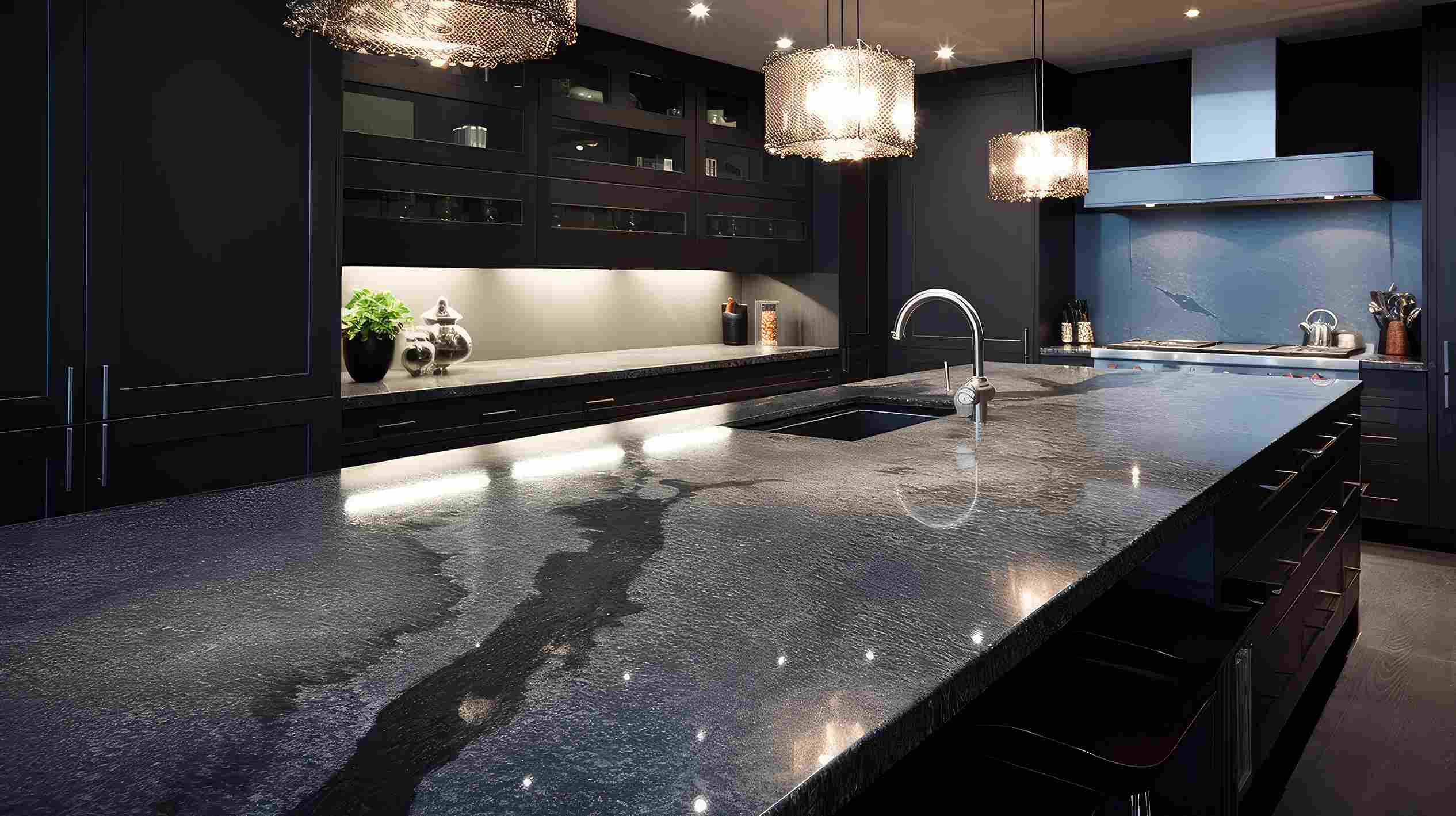
Are you searching for a durable, hygienic, and low‑maintenance material for your kitchen countertops, bathroom surfaces, or commercial interiors? Silestone is one of the leading engineered quartz surfaces available today. Composed of around 90% to 94% natural quartz, blended with premium resins and colour pigments, it provides a superior mix of strength, style, and long‑term performance.
Before choosing a worktop material, it is key to understand what Silestone is, why it stands out from other alternatives, when to use it, and when to avoid it.
What Is a Silestone and Made of?
Silestone is a solid, hard, non-porous, engineered quartz slab used for kitchen worktops, bathroom vanity tops, countertops, shower walls, and other surfaces. Its composition includes:
- High‑quality polymer resins
- Colour pigments
- Additional minerals for pattern and structure
Quartz is one of nature’s hardest minerals, making Silestone incredibly durable, scratch‑resistant, and long‑lasting. Many Silestone products also include silver‑ion technology, which helps create a naturally antibacterial surface—ideal for kitchens, food preparation zones, and healthcare environments.
Available Thickness Options
Silestone comes in three standard slab thicknesses:
- 12 mm
- 20 mm
- 30 mm
These thickness variations allow flexibility across different applications. Thinner slabs work well for wall cladding, bathroom walls, and furniture, while thicker slabs are ideal for heavy‑duty kitchen countertops, islands, and commercial worktops.
Slab lengths may range from 132 cm to 305 cm, depending on the chosen design. These generous sheet sizes help reduce the number of joints and allow for modern, seamless installations.
Colour and Style Options for Silestone Worktops
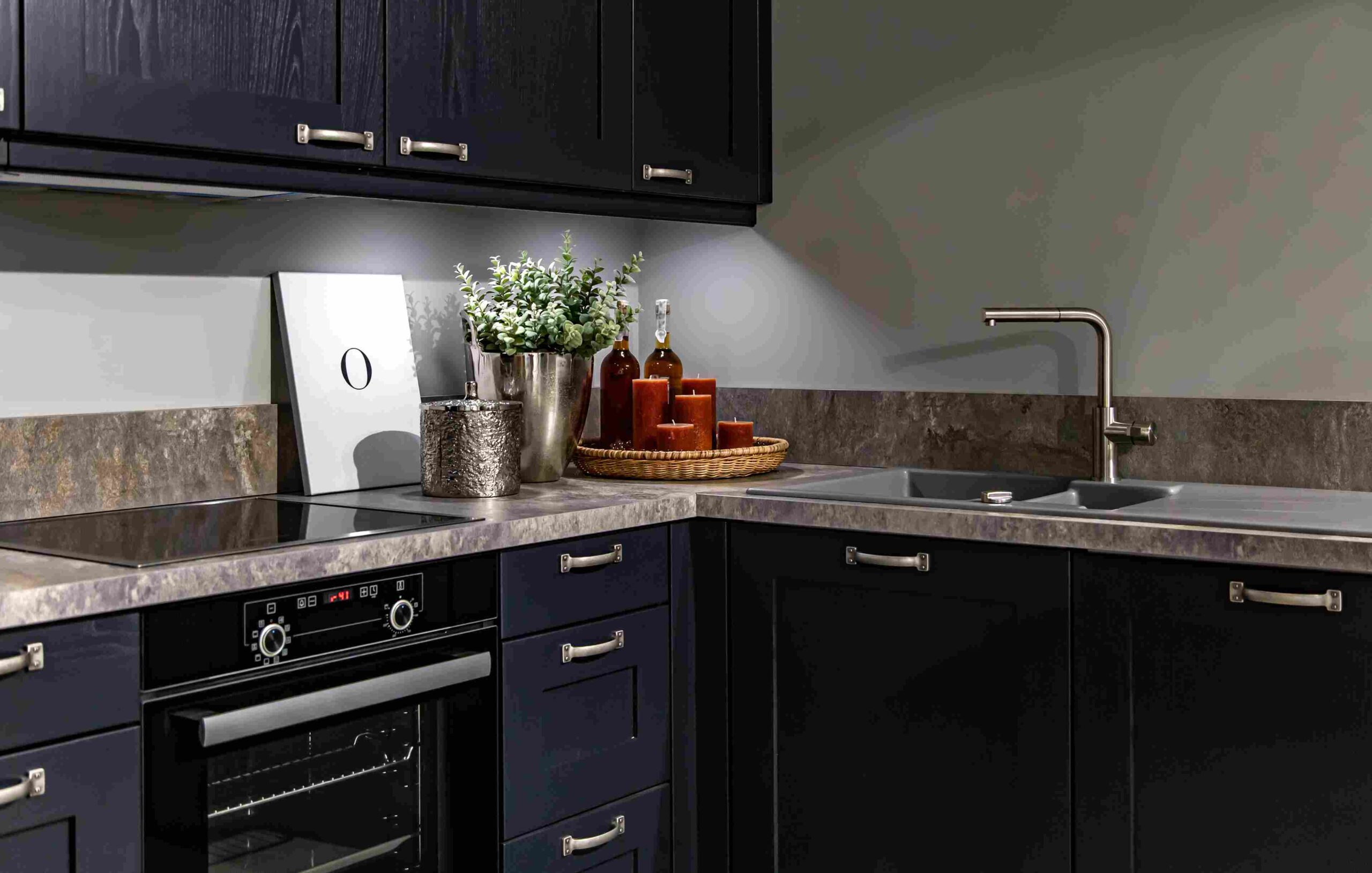
Silestone worktops, made from over 90% natural quartz, offer a diverse array of over 100 colours and style options, categorised by hue, finish, and design style to suit any aesthetic.
Colour Options
Silestone provides a vast array of colours, from classic neutrals to bright, lively shades.
- Neutral & Classic: A wide selection of whites, creams, greys, and blacks, including popular options like Classic White, White Storm, and Marengo (greyish brown).
- Veined/Marbled: Designs that emulate the look of natural marble with detailed veining, such as Calacatta Gold, Eternal Marquina, and Lagoon (pale grey with shadowy swirls).
- Earthy Tones: Browns, beiges, and rustic tones, including Coral Clay and Chateau Brown.
- Bold & Vibrant: Striking colours to add personality and warmth to a space, such as Jardin Emerald, Arcilla Red, and Parisien Bleu.
Style and Finish Options
Beyond colour, Silestone offers different finishes that affect the final appearance and texture of the worktop, while maintaining durability and resistance.
- Polished: The classic finish, known for its extreme gloss, high shine, and vibrant, intense colour reflection. This finish adds depth and sophistication to a space.
- Suede: A matte finish with a soft, velvety feel and touch. This option provides a contemporary look while retaining colour consistency.
- Volcano: A rustic yet smooth texture, offering a rugged, slightly rough appearance that is still pleasant to the touch.
These options enable highly customised designs, whether you choose a sleek modern kitchen, a country-style vibe, or a lively, energetic space.
How are Silestone Worktops Installed for a Flawless Appearance?
Correct installation is essential for ensuring the strength, longevity, and flawless appearance of Silestone surfaces.
Standard installation practices include:
- Using square joints (instead of mitred joints) for enhanced structural strength
- Filling seams with colour‑matched adhesives and silicone to create nearly invisible joints
- Rounding and polishing corner edges to prevent tension cracks
- Creating proper clearances around sinks, hobs, taps, and heat‑generating appliances
- Ensuring adequate support beneath long countertop spans
- Adding optional features such as upstands, edging profiles, and downturns
When installed correctly, Silestone surfaces look smooth, seamless, and uniform—helping prevent dirt buildup and improving overall hygiene.
In Which Situations Should Silestone Installation Be Avoided?
Although Silestone is a premium and highly durable surface, it is not suitable for every environment. Avoid installation in situations where:
- The supporting structure cannot bear the weight of the slab.
- Trapped moisture behind or beneath the surface may cause damage.
- Surfaces will be exposed to corrosive chemicals or harsh industrial substances.
- Extreme heat sources come into direct contact with the material.
Although Silestone is heat‑resistant, putting very hot cookware directly on it may lead to thermal shock. Using heat pads or trivets is always recommended.
What Chemicals Do You Avoid Using on Silestone?
To prevent damage to the resin component of your Silestone worktop, avoid harsh chemicals, especially those that are highly acidic or alkaline. Key substances to avoid (or use cautiously with prompt rinsing) include:
- Oven and grill cleaners and other strong degreasing agents
- Drain cleaners like Drano® or Liquid Plumr®
- Paint strippers, removers, and thinners
- Caustic soda (NaOH)
- Products with a pH higher than 10 or lower than 5
- Hydrofluoric acid
- Acetone (found in many nail polish removers)
- Chlorine-based products or those containing methylene chloride or trichloroethane
- Bleach and solvents, which should only be used when diluted and must not be left on the surface for more than a few minutes (definitely not more than 12 hours)
- Vinegar or other strong natural acids (like lemon juice), as they can dull the finish over time
- Water repellents or sealants; Silestone is non-porous and does not need sealing
For general cleaning, use warm water and a gentle, pH-balanced household cleaner or a product specifically designed for quartz surfaces. If a harsh chemical is accidentally spilled, quickly remove it with plenty of water and neutral soap, then rinse completely.
Bottom Line
Silestone worktops are a strong, stylish, and practical choice for kitchens, bathrooms, and commercial interiors. Their high quartz content provides durability and long‑lasting beauty, while the non‑porous structure ensures excellent hygiene and stain resistance. With a broad range of colours, thicknesses, textures, and finishes, Silestone suits nearly any design style—from classic marble looks to bold modern tones.
From renovating your kitchen to upgrading your bathroom, you can choose Silestone for a dependable and elegant surface to enhance your space for years to come.